The practical layer
Running two homes
Bedrooms, budgets, paperwork and the habits that keep two households in step.
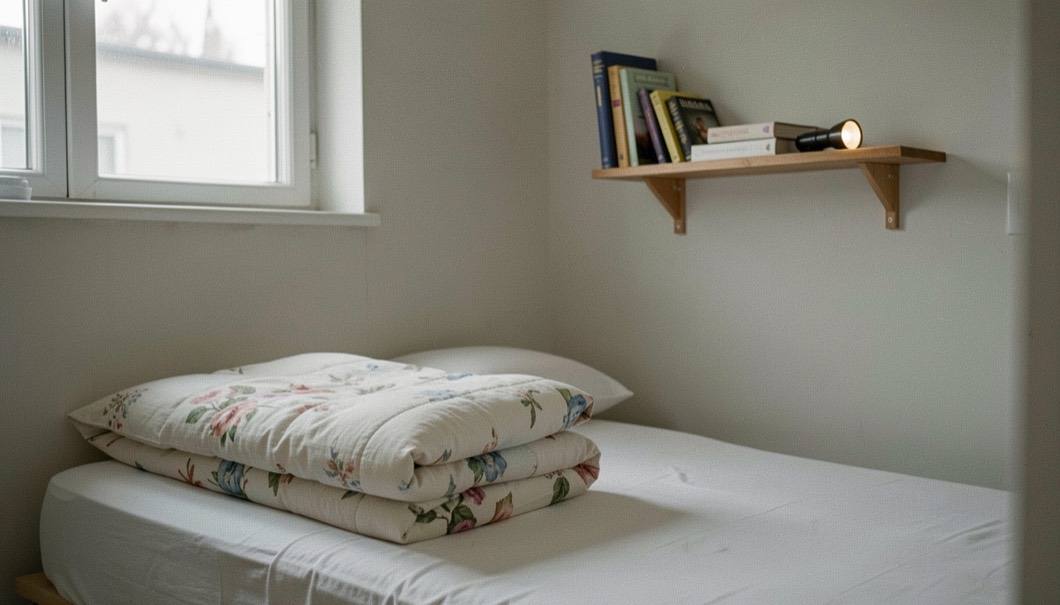
On this page
11 pieces in this section.
01 What Two homes covers
Two households cost more than one, take more organising than one, and generate roughly twice the paperwork. That is the plain arithmetic behind this section. The pieces here deal with the physical and financial side of a shared family: where a child sleeps, what each home needs to keep in stock, how money is talked about, and where the documents live so that nobody is hunting for a passport at half past six in the morning.
The aim is not a perfect mirror between the two houses. Children adapt quickly to different rules about shoes in the hallway. What unsettles them is uncertainty about the basics, and the basics are cheap to fix.
02 How the pieces fit together
Start with the room. A child's bedroom in both homes is the piece people read first, usually while standing in an empty box room with a tape measure. Then the money: budgeting for two households is written for people who dislike spreadsheets.
The rest is habit. Family paperwork across two homes covers the folder that saves an argument, and small habits that steady the week gathers the short practical notes that readers send in most often.
Everything in this section should be doable in an afternoon or a month. If a suggestion needs a builder, a solicitor or a windfall, it does not belong here.
Three pieces extend the same practical layer: one small wardrobe across two homes, windows and doors checked between stays and the second home question, asked properly.
03 Every piece in this section
-
Wills, trusts and probate, asked plainly
What a will does, what a trust does, who each one names, and where the signed copy lives. A plain guide for families in two homes.
-
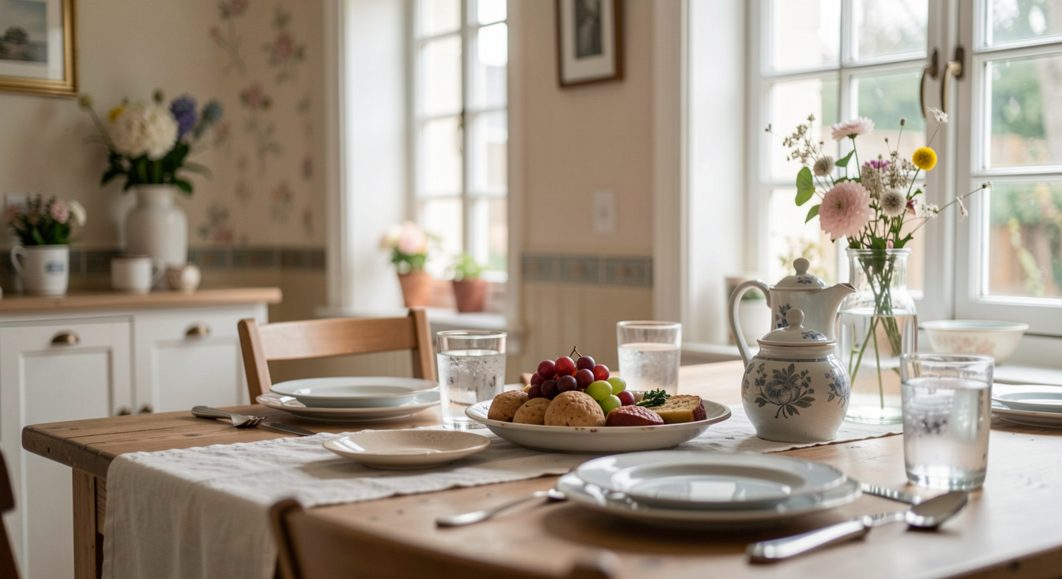
Booking the room for a family party
Numbers, timing, sound and food: the practical questions that decide whether a family party evening works, asked before you sign anything.
-
Birth cards when a family lives in two homes
Who goes on the card, what the wording has to carry, and how the news travels when a baby arrives into a family spread across two homes.
-
When an older relative moves address
A practical guide for families when an older relative moves into a care home: visits, the room, paperwork and keeping everyone in touch across one more address.
-
The second home question, asked properly
Before buying far away, read how the market runs: its rules, its costs and its paperwork.
-
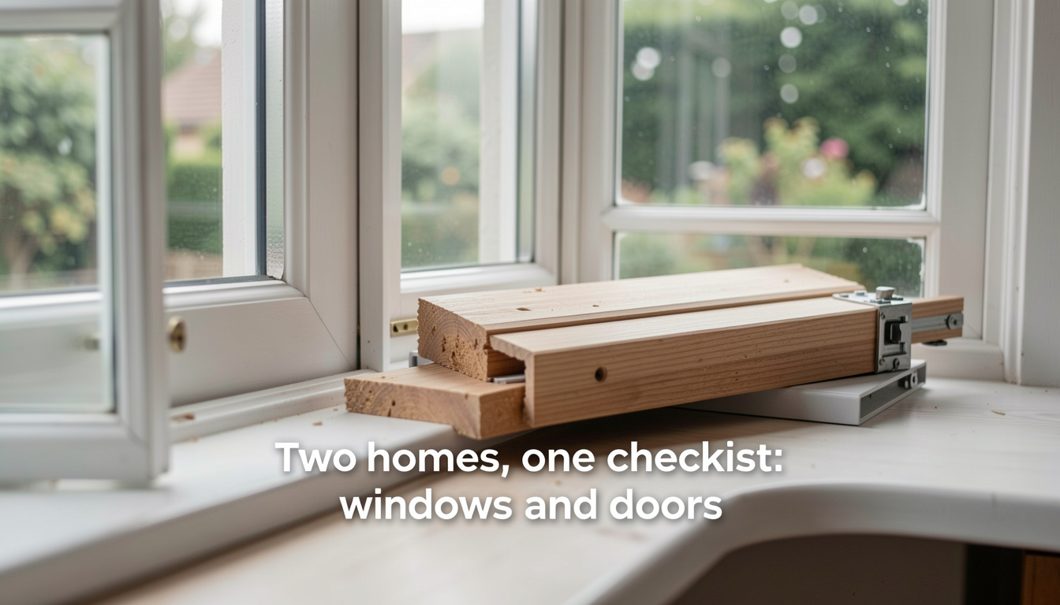
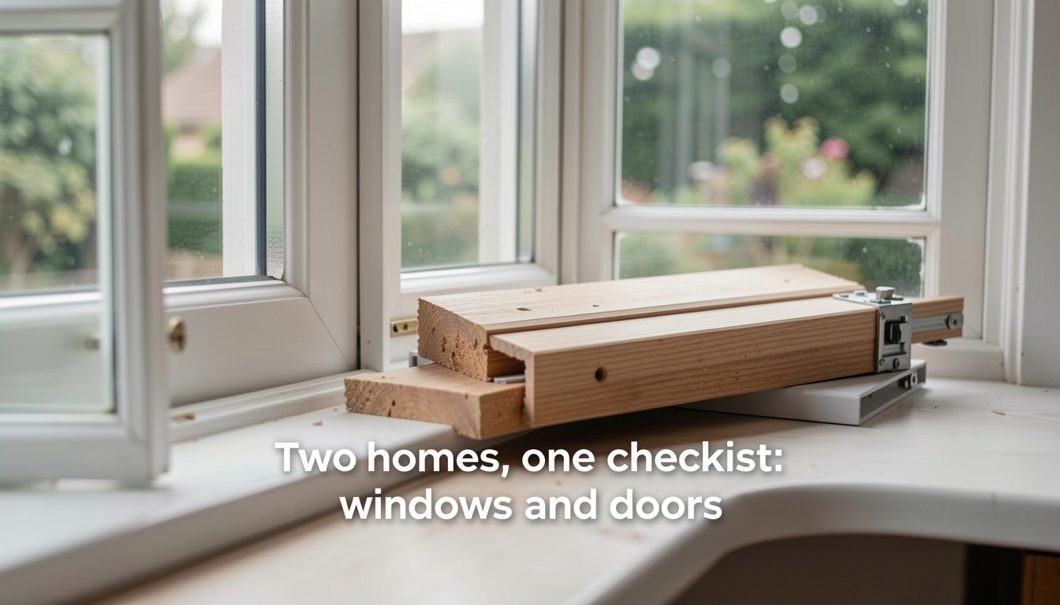
Two homes, one checklist: windows and doors
Two houses, one checklist: the seasonal pass over windows and doors, and the papers to keep.
-
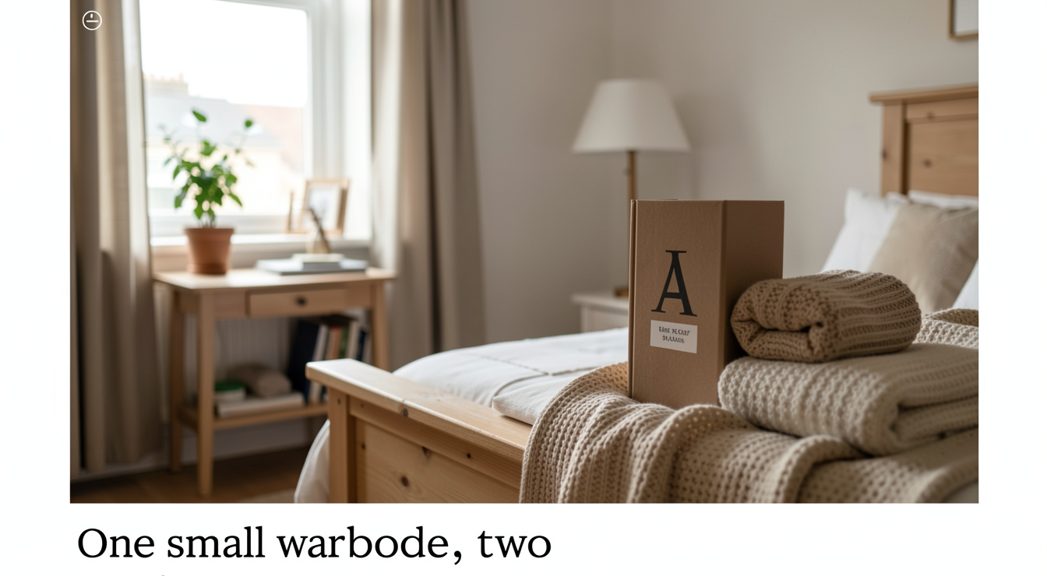
One small wardrobe, two homes
A compact set of hard-wearing clothes that travels beats a duplicated wardrobe in each house.
-
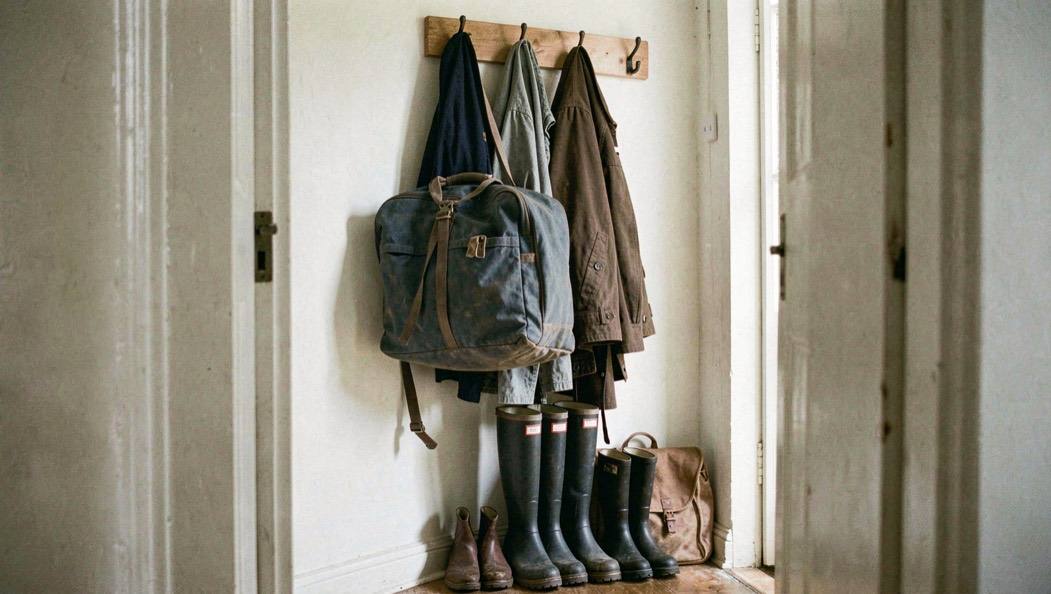
Small habits that steady a week across two homes
The short practical habits that do the most work: the bag, the Sunday look, the spare kit.
-
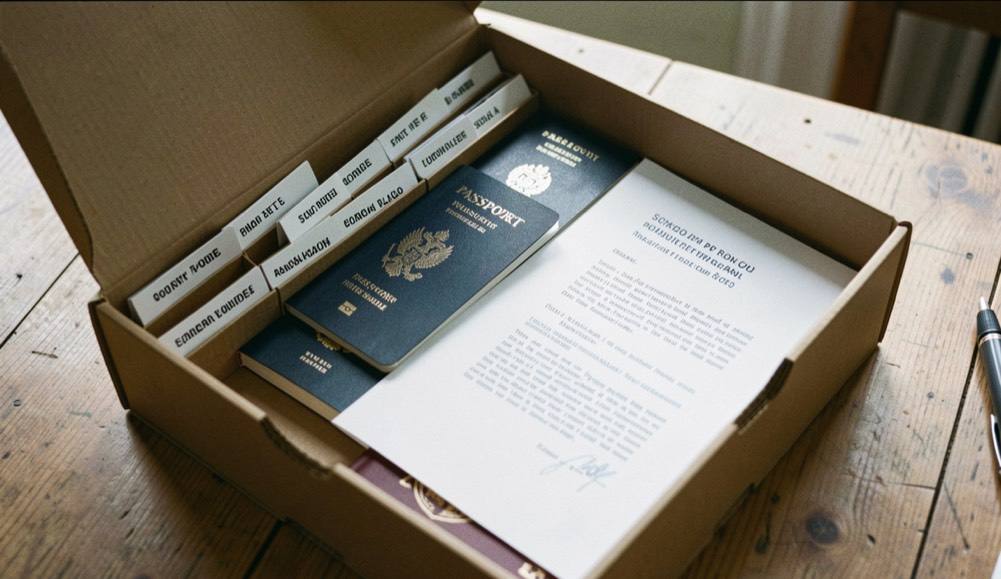
Keeping family paperwork in order across two homes
Passports, medical cards and school letters: where the paperwork lives, and who holds it.
-
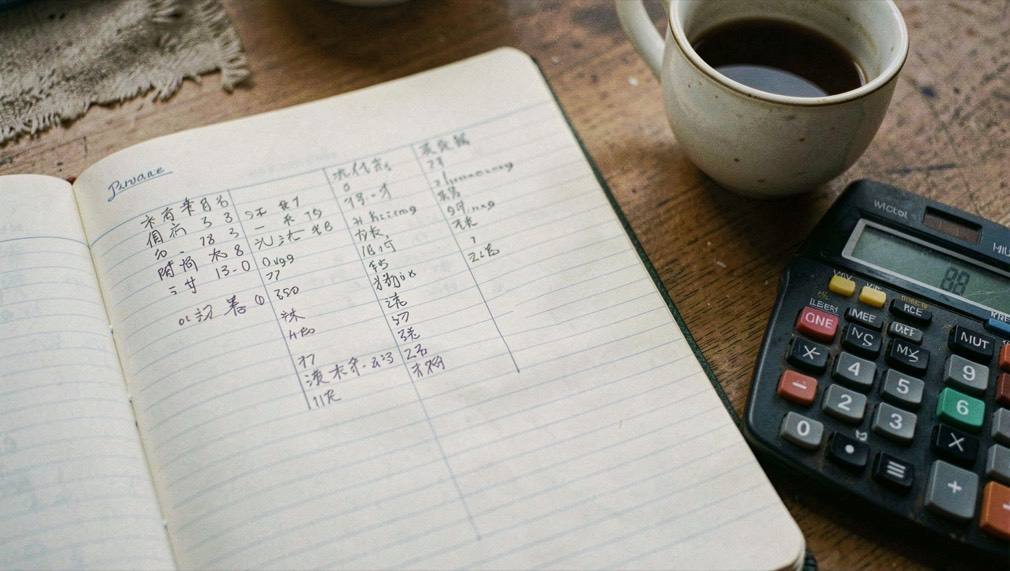
Budgeting when a family runs two households
Two homes cost more than one. Seeing where it goes, and keeping the conversation dull.
-
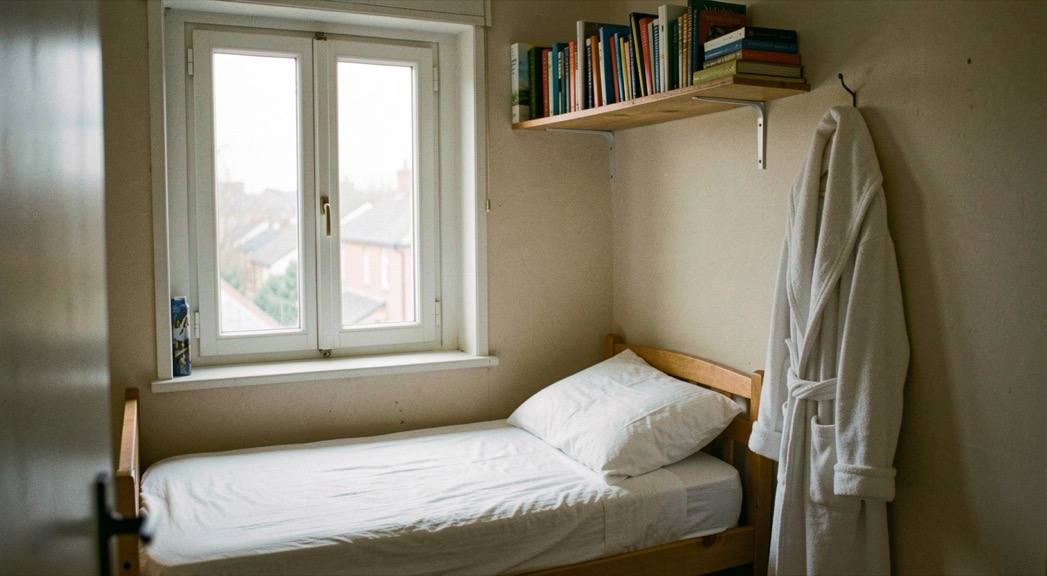
Giving a child a bedroom in both homes
A second room is not a copy of the first. What a child needs, and what to do without one.