The other half
Wellbeing for parents
Sleep, routine, reading and support for the adult half of the arrangement.

On this page
8 pieces in this section.
01 What Parents' wellbeing covers
A household runs on the adult who organises it, and that adult is usually the last item on the list. This section is about the unglamorous maintenance work: sleeping enough, keeping a shape to the week when half of it is quiet, knowing what kinds of support exist in Britain, and reading things that help rather than things that merely agree with you.
We are careful here. Nothing in this section is clinical advice, and questions about health belong with a GP. What we can usefully write about is routine, habit and the practical infrastructure of everyday life.
02 How the pieces fit together
The most read piece in the section is sleep and routine for parents, probably because it is the one thing that improves every other thing. Support for separated parents maps out what sorts of help exist and where people usually look first.
Reading matters too. Choosing a family book that helps is about how to tell a useful book from a persuasive one, a distinction that gets harder the more tired you are.
The quiet weeks are the ones to plan for. A house that is full on Friday and empty on Monday needs a shape of its own, and building one is a legitimate piece of household work rather than an indulgence.
We keep the register plain here on purpose. There is a great deal of writing about parenting that treats a tired adult as a project to be improved, and it tends to make people feel worse. The pieces in this section describe small, cheap, repeatable things, and they assume that the reader is competent and short of time rather than in need of persuasion.
The quiet half of the week gets two more pieces: winter projects for a two-home week and joining things when you are new.
03 Every piece in this section
-
A civil claim in plain terms
What each side in a civil claim is actually asking for, why the paperwork decides more than the argument, and how a dispute takes shape.
-
One habit that survives a hard term
A single repeated habit for parents whose week is already full, with a short version for the hardest weeks and a way to restart after missing days.
-

What to bring to a child's first appointment
A calm checklist for a child's first visit to a new family practice, from dates and notes to questions, annual exams and the patient portal.
-

Joining things when you are new somewhere
Which groups welcome new faces, how to approach a club or a lodge, and the side door of volunteering.
-
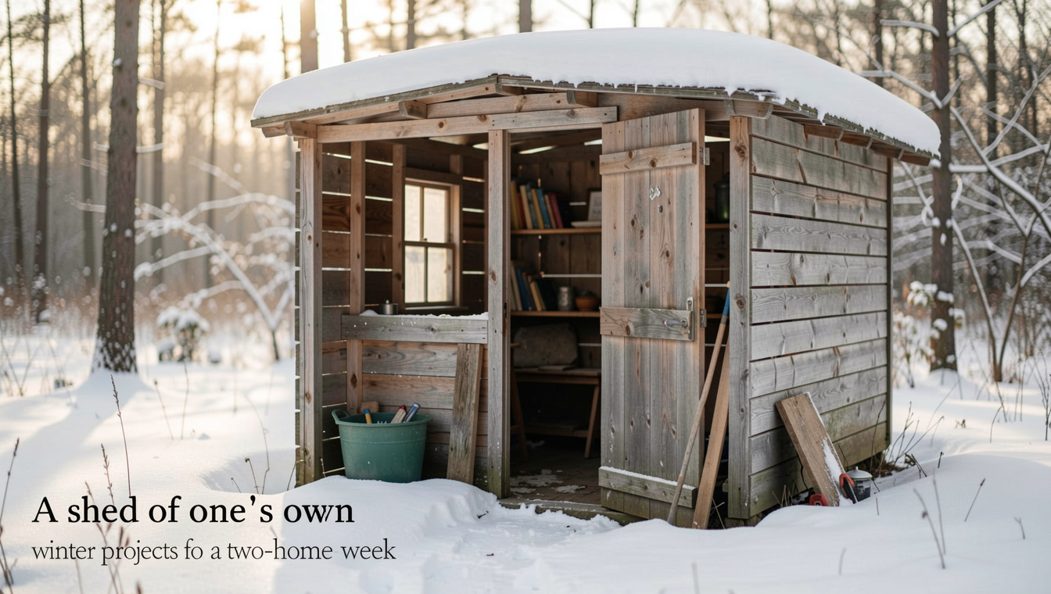
A shed of one's own: winter projects for a two-home week
Slow work that forgives absence: the projects that suit a house which empties and fills.
-
Where separated parents find support in Britain
A plain map of the kinds of help that exist, and the order people usually find them in.
-
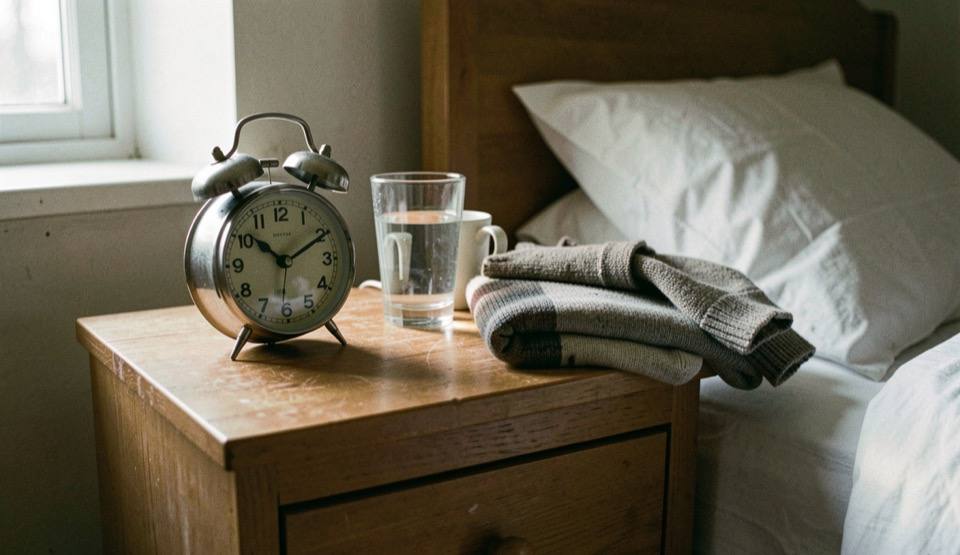
Sleep and routine when the week has two halves
A week that is full then empty plays havoc with habit. Giving both halves a shape.
-
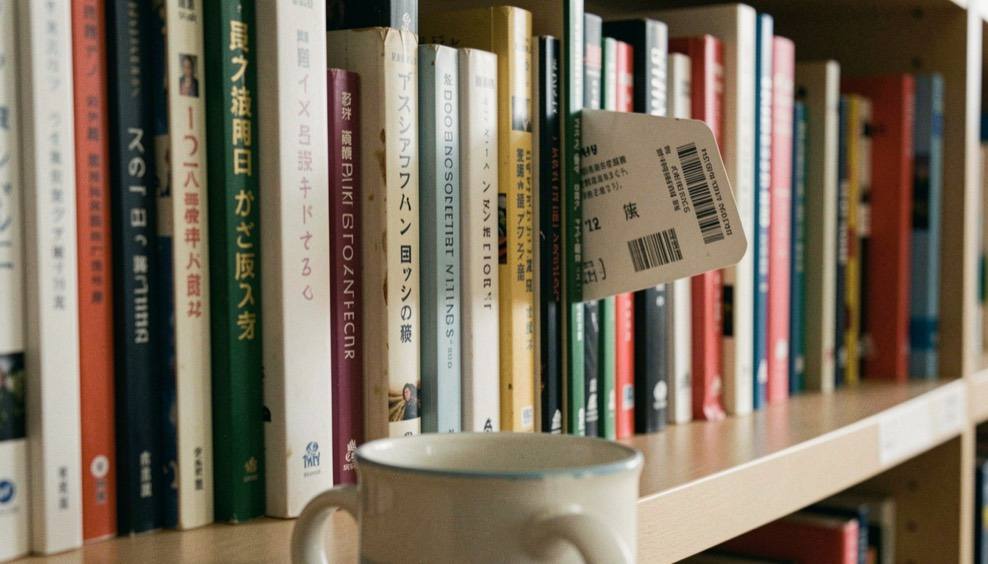
Choosing a family book that actually helps
How to tell a useful book about family life from a merely persuasive one.