From their side
Helping children through change
School, listening, screens and time together: change from the child's side of the table.
On this page
9 pieces in this section.
01 What Children and change covers
Children rarely describe a change in the family the way adults do. They describe it through the things that move: the bag, the bedroom, the walk to school, the friend who lives near one house and not the other. This section takes that view seriously and looks at the practical business of keeping a childhood recognisable while the household around it rearranges itself.
The pieces here are about attention rather than answers. What a child says about a weekend at nine years old is not a verdict on the arrangement, and it is not nothing either. Learning to hear it without over-reacting is one of the harder skills in a shared family, and one of the most useful.
02 How the pieces fit together
School is often the steadiest structure a child has, so school life across two homes gets its own piece. Time together matters more than the shape of it, which is why we look at activities for short visits and at screen time that works in two homes rather than prescribing a timetable.
Listening is the thread through all of it. Asking children how it is going is easy to do badly, and the way the question is framed changes the answer far more than most adults expect. We come back to that piece often.
None of this is clinical guidance. It is the ordinary craft of paying attention, described plainly and in British terms, for households where a child moves between two front doors.
When a child's world widens, the practical layer widens with it: a term abroad for a teenager covers the weeks a child spends away, and sharing a child's activity season keeps the fixture list readable from both houses.
03 Every piece in this section
-
One book, one language, one voice
A reading day for the whole family: what Día is, where it came from, and how one adult reading aloud in one language keeps a household together.
-
A pot that lives in two homes
What a child can really grow on a windowsill or small balcony, and the few jobs that survive a fortnightly week between two homes.
-

Three Adults, One Evening a Week
A practical plan for running a weekly teenagers' evening when the same three adults carry the rota, the room and the small habits that keep it going.
-

Two homes, one fixture list: sharing an activity season
Rehearsals, fixtures, fees and lifts: the second calendar laid over the family one.
-

When a teenager spends a term abroad
A few weeks abroad is a familiar shape for a two-home family. What parents actually prepare.
-
Things to do with children when the visit is short
An afternoon is not a holiday. Why doing less works better, and what to do instead.
-
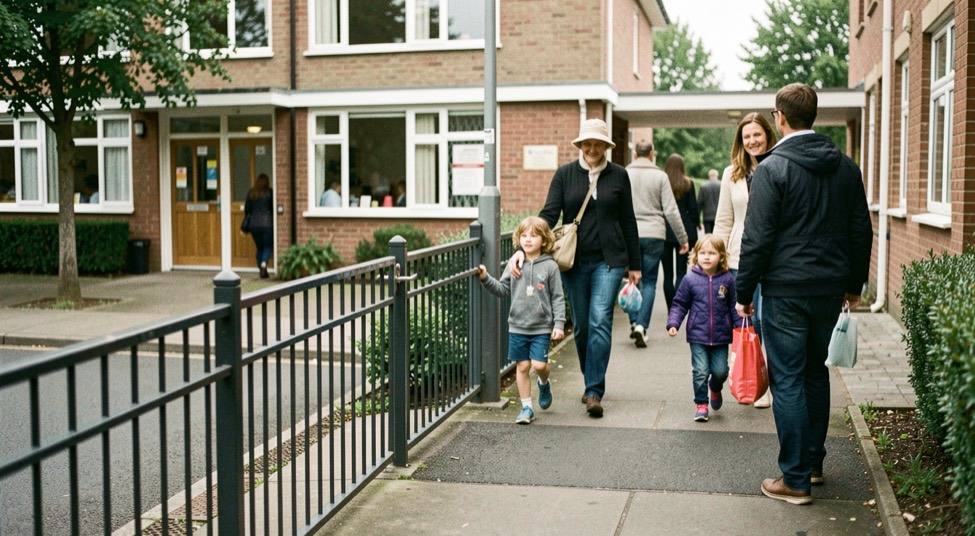
School life across two homes
Contact records, kit, homework and Monday mornings, when a child lives in two houses.
-

Asking children how it is going, and hearing the answer
How to ask without putting a child in the middle, and what to do with the answer.
-
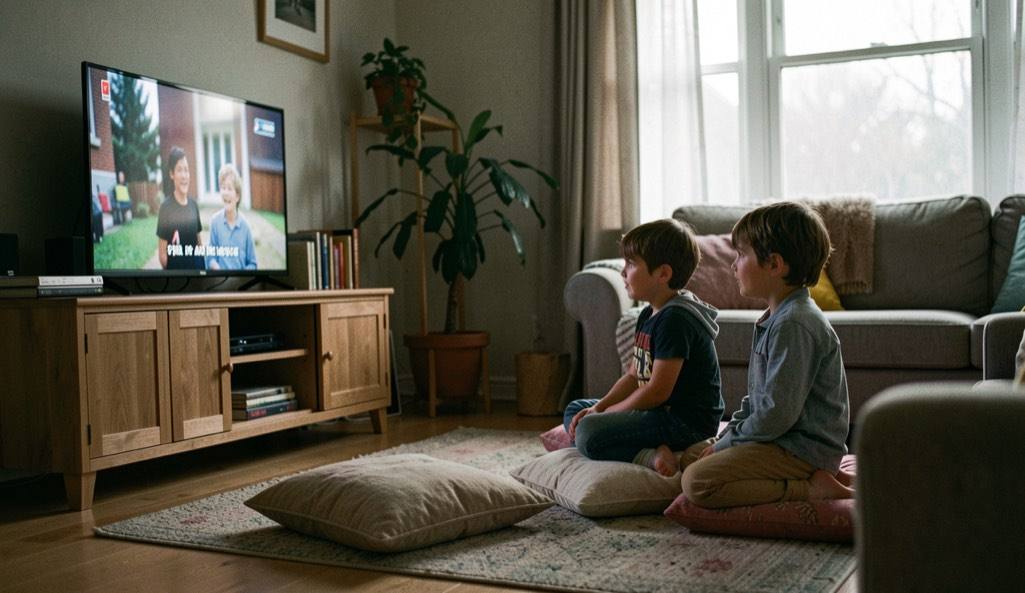
Screen time that works across two homes
Two homes will never have identical rules. What matters, and what really does not.